Category: education

  • The Benefits of Collaborative Learning in Higher Education

    The Benefits of Collaborative Learning in Higher Education

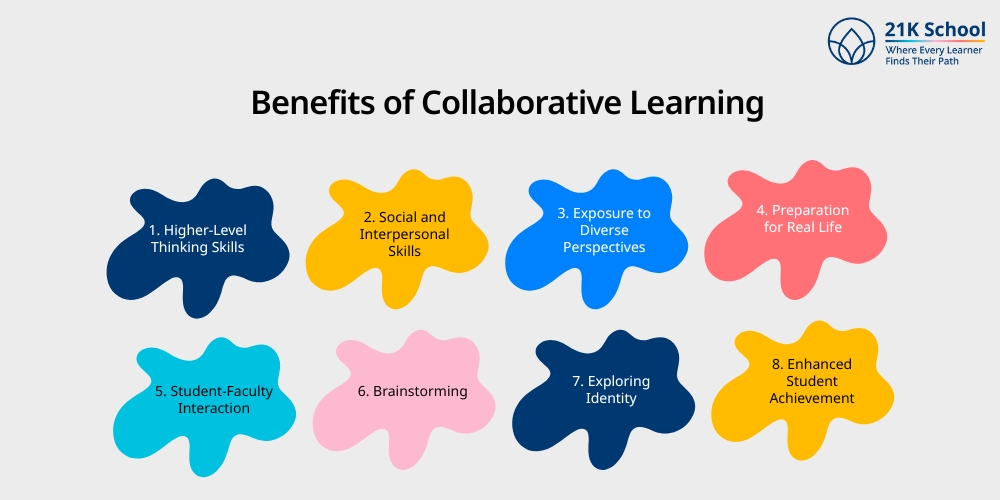
    Higher education is often associated with lectures, textbooks, individual assignments, and examinations. While these traditional methods remain valuable, students can also learn effectively by working with their classmates. Collaborative learning gives students opportunities to share ideas, solve problems together, discuss different perspectives, and take responsibility for group outcomes.

    In universities and colleges, collaboration can prepare students for both academic challenges and professional environments. Many careers require people to communicate with colleagues, contribute to projects, and work toward common goals. Developing these abilities during higher education can therefore provide value beyond the classroom.

    What Is Collaborative Learning?

    Collaborative learning is an educational approach in which students work together to understand concepts, complete tasks, or solve problems. Groups can consist of two students or several members, depending on the activity.

    Unlike simply dividing an assignment among group members, effective collaborative learning involves meaningful interaction. Students discuss ideas, explain concepts, ask questions, provide feedback, and contribute to the learning process.

    The teacher remains an important part of the process by setting clear objectives, organizing activities, and helping students stay focused on learning.

    Encourages Active Participation

    Collaborative learning can encourage students to become active participants rather than simply listening to information.

    When students work together, they may need to explain their reasoning, defend an idea, or respond to a classmate’s question. These activities require them to think about the material more carefully.

    For example, students studying history might work together to examine different interpretations of an event. Instead of simply memorizing dates and facts, they can discuss evidence and develop their own understanding of the subject.

    Develops Communication Skills

    Communication is central to successful collaboration. Students need to explain their ideas clearly, listen to others, ask useful questions, and respond respectfully when opinions differ.

    These skills are valuable in academic settings and professional environments. Group projects, presentations, discussions, and peer-review activities give students regular opportunities to practice communication.

    Over time, students may become more comfortable expressing their thoughts and communicating with people who have different perspectives.

    Provides Different Perspectives

    Students do not always approach a problem in the same way. Differences in experience, knowledge, interests, and reasoning can lead to different ideas.

    Collaborative learning allows students to encounter these perspectives directly. A classmate may identify an issue that another student overlooked or suggest an alternative solution to a problem.

    Exposure to different viewpoints can encourage students to reconsider assumptions and develop a broader understanding of complex subjects.

    Strengthens Problem-Solving Skills

    Many collaborative activities involve problems that require students to find solutions together.

    Instead of receiving a single answer from an instructor, students may need to identify the problem, gather information, compare possible solutions, and decide which approach makes the most sense.

    This process can strengthen analytical and problem-solving skills. It also teaches students that complex problems may have several possible approaches rather than one obvious answer.

    Supports Deeper Understanding

    Explaining information to another person can reveal whether a student truly understands the subject.

    When students teach a concept to a classmate, they must organize their thoughts and explain the material in a clear way. Questions from other students may also reveal gaps in their understanding.

    This makes collaborative learning useful for reinforcing knowledge. Students are not simply receiving information; they are actively processing and explaining it.

    Builds Teamwork Skills

    Teamwork is an important part of many modern workplaces. Employees may collaborate with colleagues on projects, communicate across departments, and work toward shared deadlines.

    Higher education provides a useful environment for students to develop these skills.

    Group assignments can teach students how to divide responsibilities, coordinate schedules, monitor progress, and support team members. Students can also learn that successful teamwork requires accountability from everyone involved.

    Encourages Responsibility

    Collaborative learning can increase students’ sense of responsibility for both their own work and the success of the group.

    When a project depends on contributions from several people, students need to complete their tasks on time and communicate when problems arise.

    This can help develop habits related to reliability, organization, and accountability.

    Improves Confidence

    Some students may feel uncomfortable speaking during large classroom discussions. Smaller collaborative groups can provide a more approachable environment for participation.

    As students contribute ideas and receive constructive responses from classmates, they may gradually become more confident about expressing their opinions.

    Confidence can be particularly important when students later participate in presentations, interviews, professional meetings, or workplace discussions.

    Encourages Peer Learning

    Students can sometimes explain a difficult concept to one another in language that feels easier to understand.

    Peer learning does not replace instruction from qualified teachers, but it can provide another layer of support. Students may compare notes, discuss examples, practice questions, or review each other’s work.

    Teaching and learning from peers can also strengthen relationships within a class and create a more supportive academic environment.

    Develops Leadership Skills

    Collaborative activities can provide opportunities for students to practice leadership.

    A student may coordinate a project, organize a meeting, divide responsibilities, or help resolve disagreements. Leadership does not always mean controlling the group. Effective leadership can also involve listening, encouraging participation, and helping others contribute.

    These experiences can help students understand different approaches to leading and working with teams.

    Technology and Collaborative Learning

    Digital technology has expanded the ways students can collaborate. Students can work together through shared documents, online discussion platforms, video meetings, project-management tools, and virtual learning environments.

    This can be especially useful for students who are studying online or working with classmates in different locations.

    However, technology should support meaningful collaboration rather than simply provide another communication channel. Students still need clear objectives, responsibilities, and opportunities to exchange ideas.

    Challenges of Group Learning

    Collaborative learning also has challenges. Group members may have different schedules, communication styles, or levels of commitment. Some students may contribute more than others, while disagreements can occasionally slow progress.

    Teachers can reduce these problems by setting clear expectations and defining responsibilities. Group members can also establish deadlines, communicate regularly, and agree on how tasks will be managed.

    Assessment methods can be designed carefully so that students are evaluated on both individual contributions and group outcomes when appropriate.

    Creating Effective Collaborative Activities

    Not every group assignment automatically produces meaningful learning. Activities should have a clear purpose and require students to interact rather than simply divide the workload.

    Effective activities might include case studies, research projects, debates, problem-solving exercises, peer reviews, presentations, and group investigations.

    Teachers can also encourage students to reflect on the collaboration itself. Asking what worked well, what caused difficulties, and what could be improved can turn the group experience into another learning opportunity.

    Preparing Students for Professional Life

    Collaborative learning can connect university education with workplace expectations.

    Professionals often need to work with people who have different skills and opinions. They must communicate clearly, manage responsibilities, resolve disagreements, and contribute to shared objectives.

    Students who practice these behaviors during higher education can gain experience that may help them understand the demands of professional teamwork.

    Conclusion

    Collaborative learning offers higher education students more than an alternative to individual study. It creates opportunities to communicate, exchange perspectives, solve problems, develop confidence, and practice teamwork.

    When designed effectively, group learning can also encourage responsibility, leadership, peer support, and deeper understanding of academic subjects.

    Collaboration should not replace individual learning or direct teaching. Instead, it can complement these approaches and create a more active educational experience. By learning with and from others, students can develop academic knowledge alongside interpersonal skills that remain valuable throughout their education and professional lives.
  • How Educational Technology Supports Personalized Learning

    How Educational Technology Supports Personalized Learning

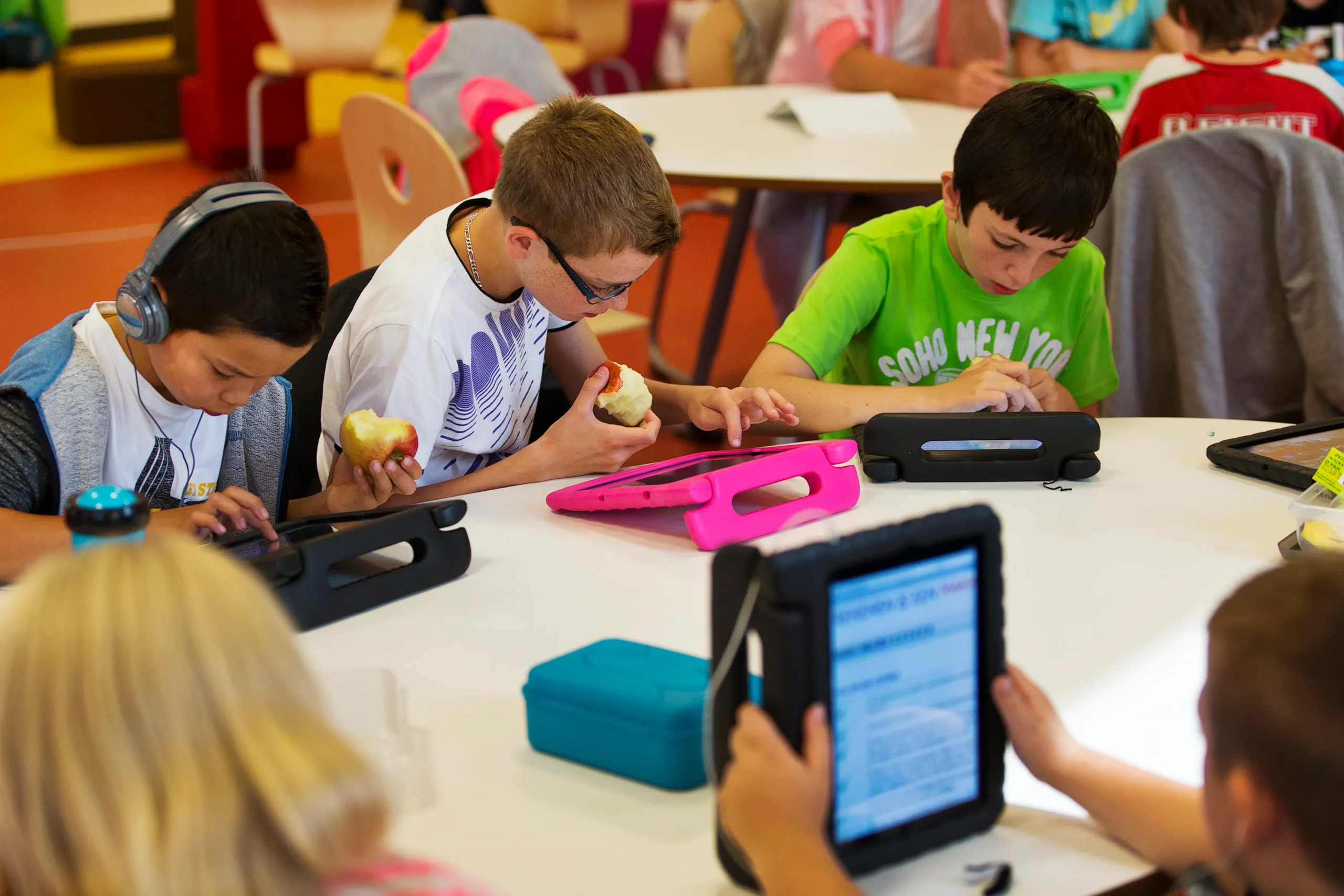
    Students do not all learn in exactly the same way. They have different interests, levels of prior knowledge, learning speeds, and academic needs. While traditional classrooms often require teachers to work with groups of students at the same time, educational technology can provide additional ways to make learning more flexible and personalized.

    Personalized learning does not mean creating a completely different lesson for every student. Instead, it involves using teaching approaches, resources, and technology that allow students to receive appropriate support and take greater responsibility for their learning. Digital tools can help teachers understand student progress while giving learners more opportunities to practice and explore subjects at their own pace.

    What Is Personalized Learning?

    Personalized learning is an educational approach that recognizes differences between individual students. Instead of assuming that everyone needs exactly the same instruction, it considers factors such as a student’s existing knowledge, learning progress, interests, and goals.

    For example, one student may understand a mathematical concept quickly while another may need additional examples and practice. A personalized learning environment can provide opportunities for both students to continue learning without unnecessarily holding one back or leaving the other behind.

    Technology can support this process by providing flexible resources and collecting information about learning activities.

    Digital Learning Platforms

    Online learning platforms are among the most common forms of educational technology. These platforms can provide students with lessons, videos, quizzes, reading materials, assignments, and other resources in one location.

    Students can often access these materials outside traditional classroom hours. If they find a particular topic difficult, they may be able to review the relevant lesson more than once. If they already understand a concept, they can move forward to more advanced material.

    This flexibility can make learning more adaptable to individual needs.

    Learning at an Individual Pace

    One of the major advantages of digital learning resources is that students can often control the pace of their study.

    In a traditional lecture, an instructor generally has to move through material according to a planned schedule. Some students may need more time to understand a topic, while others may be ready to move ahead.

    Recorded lectures, interactive lessons, digital textbooks, and online exercises allow students to revisit information when necessary. This can be particularly useful when learning subjects that involve several connected concepts.

    Adaptive Learning Tools

    Some educational technologies use student responses and performance data to adjust learning activities. These are commonly referred to as adaptive learning systems.

    For example, a digital platform may identify that a student is struggling with a particular type of problem and provide additional practice. Another student who demonstrates strong understanding may receive more challenging material.

    The purpose is to make practice more relevant to the student’s current level rather than providing exactly the same activity to everyone.

    Immediate Feedback

    Feedback is an important part of learning because students need to understand what they have done correctly and where improvement is needed.

    Digital quizzes and interactive exercises can sometimes provide immediate feedback. Instead of waiting until the next class to discover a mistake, students may receive an explanation shortly after completing an activity.

    This allows them to correct misunderstandings while the subject is still fresh in their minds.

    However, technology should complement teacher feedback rather than completely replace it. Complex assignments often require human judgment and detailed guidance.

    Supporting Different Learning Preferences

    Students may prefer different ways of engaging with information. Some understand concepts more easily through written explanations, while others benefit from diagrams, demonstrations, videos, simulations, or interactive activities.

    Educational technology can provide multiple formats for presenting the same subject.

    A science topic, for example, might be explained through a textbook chapter, an animated diagram, a recorded lecture, and an interactive simulation. Providing different resources can give students additional ways to approach difficult concepts.

    Using Data to Understand Student Progress

    Educational technology can also help teachers monitor learning progress.

    Digital platforms may provide information about completed assignments, quiz results, participation, and areas where students frequently make mistakes. Teachers can use this information to identify students who may need additional support.

    Data does not tell the complete story of a student’s learning experience, but it can provide useful signals. Teachers can combine digital information with classroom observations, conversations, assignments, and assessments to develop a clearer understanding of student needs.

    Encouraging Student Independence

    Personalized learning can give students greater responsibility for their education.

    Digital resources allow students to explore additional materials, review lessons independently, and practice topics outside scheduled class time. Students can also learn how to identify areas where they need improvement and choose resources that can help.

    This independence can be valuable beyond school or university because professional life often requires people to learn new information without constant supervision.

    Artificial Intelligence and Personalized Learning

    Artificial intelligence is becoming another area of educational technology that can support personalized learning. AI-powered tools can assist with tasks such as generating practice questions, explaining concepts in different ways, organizing information, and providing learning suggestions.

    For example, a student who does not understand a concept may ask an AI learning tool for a simpler explanation or another example.

    However, students should evaluate AI-generated information carefully. AI tools can make mistakes, and their responses should not automatically be treated as authoritative academic sources.

    Teachers also remain important because education involves more than delivering information. Guidance, context, discussion, encouragement, and human relationships are essential parts of learning.

    Improving Accessibility

    Technology can also make educational resources more accessible to students with different needs.

    Features such as adjustable text sizes, captions, screen readers, audio resources, digital note-taking, and recorded lessons can provide alternative ways to access information.

    Accessibility tools can benefit students who require specific accommodations and can also make learning resources more flexible for everyone.

    Challenges of Personalized Educational Technology

    Although technology offers many opportunities, it also presents challenges.

    Not every student has equal access to reliable devices, internet connections, or suitable study environments. Institutions need to consider these differences when introducing technology-based learning programs.

    Privacy is another important issue. Educational platforms may collect information about student activity and performance, making responsible data management essential.

    There is also a risk of relying too heavily on technology. Students still need direct interaction with teachers and classmates, opportunities for discussion, and activities that develop social and communication skills.

    The Teacher’s Role Remains Important

    Technology does not remove the need for effective teachers. Instead, it can provide teachers with additional tools for supporting students.

    Teachers can interpret learning information, provide personalized explanations, organize meaningful activities, and decide when a student needs additional assistance.

    The strongest approach often combines technology with human teaching. Digital tools can handle certain repetitive or flexible learning activities while teachers focus on guidance, relationships, critical thinking, and deeper learning.

    Building a Balanced Learning Environment

    Personalized learning works best when technology is used purposefully. Not every digital tool automatically improves education.

    Teachers and institutions should consider whether a particular technology actually helps students understand concepts, practice skills, collaborate, or receive useful feedback.

    A balanced learning environment may include classroom instruction, digital resources, individual practice, group activities, discussions, research, and hands-on experiences.

    The objective should be better learning rather than simply using more technology.

    Conclusion

    Educational technology can play an important role in supporting personalized learning. Digital platforms, adaptive tools, online resources, immediate feedback, accessibility features, and AI-powered applications can give students more flexibility in how and when they learn.

    At the same time, technology works best when combined with effective teaching. Students need guidance, meaningful interaction, critical thinking, and opportunities to learn from others.

    As educational technology continues to develop, personalized learning can become more flexible and responsive. The most valuable approach is not to replace traditional education with technology, but to use digital tools thoughtfully to help students receive the support and learning opportunities they need.

  • The Growing Importance of Career-Ready Education

    The Growing Importance of Career-Ready Education

    Education has always played an important role in helping students build knowledge and prepare for their future. However, modern students are increasingly expected to develop more than academic knowledge. Employers often look for people who can communicate effectively, solve problems, work with others, use technology, and adapt to changing workplace environments.

    This has increased interest in career-ready education. Rather than focusing only on exams and theoretical knowledge, career-ready education helps students connect what they learn in the classroom with the skills and experiences they may need after graduation.

    What Is Career-Ready Education?

    Career-ready education is an approach to learning that helps students prepare for professional life while they complete their academic studies. It combines subject knowledge with practical skills, workplace awareness, and opportunities to apply learning in realistic situations.

    Career preparation can take many forms. Internships, projects, career workshops, practical assignments, presentations, research activities, and collaboration with professionals can all contribute to a student’s readiness for employment.

    The goal is not simply to train students for one specific job. Instead, career-ready education can help students develop transferable abilities that remain useful as careers and industries change.

    Why Academic Knowledge Alone May Not Be Enough

    Academic knowledge provides an important foundation, but students may also need to know how to apply that knowledge.

    For example, a student studying business may understand marketing theories but still need experience creating a campaign, analyzing customer information, presenting ideas, or working with a team. Similarly, a computer science student may understand programming concepts but benefit from working on projects that involve real-world requirements and collaboration.

    Connecting theory with practical application can make education more meaningful. It also gives students opportunities to discover how their academic subjects relate to professional responsibilities.

    Developing Communication Skills

    Communication is an important part of almost every professional environment. Employees may need to write emails, prepare reports, participate in meetings, explain ideas, or give presentations.

    Career-ready education can provide students with opportunities to practice these skills before entering the workforce.

    Group presentations, classroom discussions, research projects, written assignments, and collaborative activities can all help students become more comfortable communicating with different audiences.

    Strong communication does not necessarily mean using complicated language. It often means being clear, organized, respectful, and able to adapt a message to the situation.

    Building Problem-Solving Abilities

    Workplaces regularly present employees with problems that do not have simple answers. Career-ready education can help students become more comfortable analyzing situations and developing possible solutions.

    Project-based learning is one way to encourage this type of thinking. Students may be given a practical challenge and asked to research the issue, evaluate different approaches, and present a solution.

    Such activities can encourage students to move beyond memorizing information. They learn how to use information to make decisions and address unfamiliar situations.

    The Role of Digital Skills

    Technology has become part of many professional environments. Students may encounter digital communication platforms, cloud-based collaboration tools, data systems, specialized software, and artificial intelligence applications in their future careers.

    Career-ready education can help students become comfortable using technology responsibly and efficiently.

    Digital skills also require more than knowing how to operate software. Students need to understand issues such as online communication, data protection, cybersecurity awareness, information evaluation, and responsible use of digital tools.

    Learning Through Practical Experience

    Practical experience can help students understand what professional life may actually involve.

    Internships, work placements, volunteering, research projects, and industry-related assignments can expose students to professional expectations. They may learn how teams operate, how deadlines are managed, and how theoretical knowledge is applied to real tasks.

    Even when formal internships are not available, universities can create practical experiences through simulations, case studies, collaborative projects, and partnerships with organizations.

    These experiences can help students identify their interests and better understand possible career paths.

    Collaboration and Teamwork

    Many professional tasks involve collaboration. Employees may work with colleagues from different departments, backgrounds, and areas of expertise.

    Students can develop teamwork skills through group assignments and project-based activities. These experiences can teach them how to divide responsibilities, communicate progress, manage disagreements, and work toward a shared objective.

    Teamwork also helps students recognize that successful collaboration requires listening as well as speaking. Understanding different perspectives can lead to better decisions and stronger outcomes.

    Career Guidance and Mentorship

    Career-ready education can become more effective when students have access to career guidance and professional mentorship.

    Career advisers can help students understand different career options, identify relevant skills, prepare application materials, and plan their next steps after graduation.

    Mentors can provide another valuable perspective. Professionals can share experiences about their industries, explain workplace expectations, and discuss how they developed their careers.

    Students do not have to follow every piece of advice they receive, but exposure to different professional experiences can help them make more informed decisions about their own goals.

    Developing Adaptability

    The workplace can change significantly over time. New technologies, changing customer expectations, economic conditions, and evolving industries can create new opportunities while changing existing roles.

    For this reason, students need to develop the ability to learn and adapt.

    Career-ready education should therefore encourage curiosity and continuous learning. Students who become comfortable learning new tools, exploring unfamiliar subjects, and responding to change may be better prepared to manage transitions throughout their professional lives.

    The Importance of Professional Confidence

    Career preparation can also help students become more confident when entering professional environments.

    A student who has completed projects, participated in presentations, worked with teams, or completed an internship may have a clearer understanding of workplace expectations.

    This does not mean students need to know everything before graduation. Professional confidence can also come from understanding how to learn, ask questions, accept feedback, and improve.

    Preparing Students for Different Career Paths

    Not every student will follow a traditional career path. Some may join established organizations, while others may start businesses, work independently, continue their education, or move between different industries.

    Career-ready education should therefore remain flexible.

    Transferable skills such as communication, research, problem-solving, organization, collaboration, and digital literacy can support many different professional directions. Students can then build specialized knowledge according to the field they choose.

    The Role of Universities

    Universities have an important role in connecting academic learning with professional development. This does not mean that every course must become vocational training. Academic subjects continue to provide valuable knowledge, critical thinking, and intellectual development.

    However, institutions can create stronger connections between education and employment by offering career services, internships, practical projects, employer events, professional workshops, and opportunities for students to interact with industry professionals.

    Faculty members can also help students understand how concepts taught in their courses relate to real-world situations.

    Students Also Have a Role

    Career preparation is not only the responsibility of universities. Students can actively build their own professional skills during their education.

    They can participate in clubs, volunteer activities, competitions, research projects, internships, and extracurricular programs. They can also develop portfolios that demonstrate their work and gradually build professional networks.

    Taking responsibility for personal development can help students make better use of their time at university.

    Conclusion

    The growing importance of career-ready education reflects the changing relationship between learning and professional life. Academic knowledge remains essential, but students can benefit from opportunities to develop practical skills, communication abilities, digital literacy, teamwork, problem-solving, and adaptability.

    Universities can support this process by connecting students with practical experiences, career guidance, mentors, and professional environments. Students, meanwhile, can take an active role by exploring opportunities and developing skills beyond their regular coursework.

    Ultimately, career-ready education is about preparing students not only to complete their studies but also to continue learning, adapting, and contributing effectively throughout their professional lives.