Author: Admin

  • How to Study Effectively for Exams: A Complete Guide

    How to Study Effectively for Exams: A Complete Guide

    Introduction

    Exams are an important part of academic life, but preparing for them can sometimes feel stressful and overwhelming. Students often have several subjects to cover, assignments to complete, and limited time to revise. Some spend hours reading textbooks without remembering much of what they studied. Others wait until the last few days before an exam and struggle to cover the entire syllabus.

    The key to better exam preparation is not simply studying for longer hours. It is learning how to study effectively for exams by using the right techniques, organizing your time, and checking your understanding regularly.

    Effective studying helps you identify difficult topics, remember important information, solve problems, and approach exams with greater confidence. It also helps you avoid wasting time on study habits that do not support your learning goals.

    Whether you are a high school student, college student, or university learner, developing a practical study routine can make your academic life more manageable.

    In this guide, you will discover useful study methods, revision strategies, concentration tips, and a simple plan to help you prepare for your next examination.

    1. Create a Study Plan Before You Begin

    One of the most common exam preparation mistakes is starting to study without a clear plan. Without a schedule, students may spend too much time on familiar subjects while ignoring topics that require more attention.

    Begin by writing down all your upcoming exams and the subjects you need to prepare. Review the syllabus for each subject and divide the material into smaller sections.

    Next, estimate how much time each section may require. Difficult chapters may need several sessions, while familiar topics might only require a short review.

    Create a weekly schedule that includes specific study tasks rather than general goals.

    For example, instead of writing “study biology,” write “review cell structure, draw a labelled diagram, and answer ten practice questions.”

    A clear task gives you a measurable objective and makes it easier to recognize when you have completed your work.

    Tips for building a practical study plan:

    • List your examination dates and deadlines.
    • Divide large chapters into smaller tasks.
    • Prioritize subjects you find difficult.
    • Schedule revision sessions throughout the week.
    • Leave time for breaks and unexpected responsibilities.
    • Review your progress and adjust your plan when necessary.

    Your schedule should be realistic. A plan that requires you to study for ten hours every day may be difficult to maintain. Consistency is usually more practical than following an exhausting routine for only a few days.

    2. Set Clear and Achievable Study Goals

    Studying becomes more productive when you know what you want to accomplish during each session.

    Instead of sitting at your desk and deciding what to study at the last minute, establish a specific goal before you begin.

    A useful study goal should describe an action you can complete. For example, you might aim to understand one mathematical formula, summarize a history chapter, or solve a set of chemistry problems.

    Divide larger goals into smaller steps so that they do not feel overwhelming.

    You can organize your goals into three categories:

    Daily goals: Tasks you want to complete during the current day.

    Weekly goals: Chapters, assignments, or practice exercises you aim to finish within the week.

    Exam goals: The overall level of preparation you want to achieve before the examination.

    At the end of each session, check whether you achieved your goal. If you did not, identify the reason and decide what to change next time.

    This process helps you stay organized and makes your study routine easier to improve.

    3. Understand Concepts Instead of Memorizing Everything

    Memorization is useful for learning definitions, formulas, dates, and terminology. However, relying entirely on memorization can make it difficult to answer questions that require explanation or application.

    Understanding a concept allows you to connect information, explain ideas in your own words, and apply what you know to different situations.

    When studying a new topic, begin by identifying its main idea. Read the explanation carefully and consider how the details relate to one another.

    Afterward, close your textbook and explain the concept without looking at your notes.

    For example, when studying a scientific process, do not simply memorize the names of its stages. Try to understand what happens at each stage, why it happens, and how the stages are connected.

    You can improve conceptual understanding by:

    • Asking questions about the material.
    • Connecting new information with familiar examples.
    • Drawing diagrams or flowcharts.
    • Comparing similar concepts.
    • Explaining difficult ideas in simple language.
    • Solving questions that require you to apply your knowledge.

    If you cannot explain a topic clearly, return to the relevant section and identify what you still need to understand.

    4. Use Active Recall to Strengthen Your Memory

    Active recall is a learning technique that involves retrieving information from memory instead of repeatedly reading it.

    It is particularly useful for exam preparation because examinations often require students to remember facts, explain concepts, or solve problems without referring to their notes.

    To practise active recall, study a small section of material and then put your textbook away. Write down everything you can remember about the topic.

    You can also turn headings into questions and answer them without looking at the answers first.

    For example, after studying a chapter about the human body, ask yourself to explain the function of a particular organ or describe a biological process from memory.

    Once you finish, compare your answers with your notes. Correct errors and identify information you could not remember.

    Useful active recall methods include:

    • Testing yourself with practice questions.
    • Using question-and-answer flashcards.
    • Writing summaries from memory.
    • Explaining a topic aloud.
    • Recreating diagrams without assistance.
    • Completing practice tests.

    The purpose is not to answer every question correctly on your first attempt. Testing yourself helps you discover which topics need additional attention.

    5. Review Information Using Spaced Repetition

    Spaced repetition involves reviewing information over multiple study sessions instead of trying to learn everything in one sitting.

    When you revisit a topic after a period of time, you have another opportunity to retrieve the information and strengthen your understanding.

    For example, if you study a chapter on Monday, you could review it on Tuesday, test yourself again later in the week, and revisit difficult questions the following week.

    A simple revision pattern might look like this:

    • First session: Learn the topic and understand its main ideas.
    • Second session: Review the topic and answer questions.
    • Third session: Test your memory without using notes.
    • Fourth session: Review mistakes and practise difficult concepts.
    • Final revision: Check essential information before the examination.

    These intervals are examples rather than fixed rules. Adjust them according to the difficulty of the subject, your exam date, and how well you remember the material.

    Spaced repetition is particularly helpful when you need to retain vocabulary, formulas, definitions, historical facts, or concepts across a longer period.

    Combining spaced revision with active recall can make your preparation more organized and purposeful.

    6. Practise With Past Papers and Sample Questions

    Reading your notes can help you become familiar with a topic, but practice questions reveal whether you can use the information independently.

    Past papers, sample examinations, textbook exercises, and teacher-provided questions can help you understand the format of an exam and identify weaknesses in your preparation.

    Start by choosing questions that match your syllabus. Attempt them without checking your notes whenever possible.

    As your preparation improves, complete some practice papers within a time limit. This allows you to practise allocating time to different questions and working under examination conditions.

    After completing a practice paper, review your mistakes carefully.

    Ask yourself whether you misunderstood a concept, forgot important information, misread a question, or used an incorrect method.

    Keep a record of repeated mistakes and revisit them during later revision sessions.

    An effective practice routine includes:

    1. Selecting relevant practice questions.
    2. Answering them independently.
    3. Checking the answers.
    4. Identifying the reason for each mistake.
    5. Revising the relevant concept.
    6. Attempting similar questions again.

    Remember that practice is most useful when you learn from the results rather than simply counting how many questions you complete.

    7. Improve Concentration During Study Sessions

    Concentration is essential when you want to understand difficult material and complete your work efficiently.

    However, distractions can interrupt your attention. Mobile notifications, social media, background noise, and unrelated activities can make it difficult to remain focused.

    Choose a study location where you can work comfortably. Keep your books, notes, stationery, and other necessary materials within reach before beginning.

    Put your phone on silent or move it away from your desk if it frequently interrupts your work. If you study on a computer, close unnecessary tabs and limit access to distracting websites.

    You can also divide your work into focused sessions.

    For example, study for 25 minutes and take a five-minute break. Repeat the process if it suits your concentration level. For longer or more complex tasks, you may prefer a different work-and-break schedule.

    During each session, concentrate on one clear objective rather than switching repeatedly between unrelated tasks.

    Regular breaks, adequate sleep, and a comfortable study environment can also support a more sustainable routine.

    8. Take Better Notes for Faster Revision

    Good study notes make it easier to review important information before an exam.

    However, copying every sentence from a textbook can take considerable time without helping you understand the material deeply.

    Instead, focus on main ideas, definitions, formulas, examples, and relationships between concepts.

    Use headings to organize information. Add diagrams where they make complex ideas easier to understand, and write explanations in your own words whenever possible.

    You can also include questions beside your notes. These questions become useful revision prompts later.

    For example, a page about a historical event could include its causes, important dates, major consequences, and questions about why the event occurred.

    After creating your notes, use them to test yourself rather than simply reading them from beginning to end.

    Remember that notes are a learning tool, not the final objective. Leave enough time to practise recalling information and answering questions.

    9. Manage Your Time During Exam Preparation

    Time management becomes particularly important when several examinations are scheduled close together.

    Begin by identifying the tasks that require the most attention. Difficult subjects, unfinished chapters, and topics you repeatedly misunderstand may need more preparation than familiar material.

    Try to avoid spending an entire evening on one subject simply because it is your favourite.

    Divide your available study time across your subjects according to their difficulty, importance, and examination dates.

    You can also use a simple priority system:

    High priority: Difficult topics and material you do not understand.

    Medium priority: Topics you understand partially but need to practise.

    Review priority: Material you already understand but should revisit to maintain your knowledge.

    Check your progress at the end of each day. If a task takes longer than expected, adjust the remaining schedule instead of abandoning the entire plan.

    Avoid spending too much time designing a perfect timetable. The purpose of planning is to help you study, not to create another task that delays your preparation.

    10. Avoid Common Study Mistakes

    Some study habits feel productive but may not provide enough practice in remembering or applying information.

    Recognizing these habits can help you use your preparation time more effectively.

    Studying everything at the last minute

    Last-minute studying can create unnecessary pressure and leave little time to revisit difficult material. Start as early as possible and spread your revision across multiple sessions.

    Reading notes repeatedly without testing yourself

    Rereading can help you become familiar with information, but it does not always show whether you can recall it independently. Add self-testing and practice questions to your routine.

    Highlighting too much information

    Highlighting can draw attention to important ideas, but highlighting entire pages makes it harder to identify the key points. Highlight selectively and use the material to create questions or summaries.

    Ignoring difficult subjects

    Avoiding a challenging subject may provide temporary relief, but it can create problems closer to the examination. Break difficult material into manageable sections and seek clarification when necessary.

    Studying while constantly checking your phone

    Frequent interruptions can break your concentration and make a study session less productive. Put your phone aside during focused work periods.

    Sacrificing sleep to study longer

    Staying awake all night should not become your normal exam preparation strategy. Plan your revision so you have time to rest and arrive at the examination prepared to concentrate.

    11. Follow a Seven-Day Exam Preparation Plan

    If you have one week before an examination, a simple plan can help you organize your remaining preparation.

    Adapt the schedule according to the subject, syllabus, and amount of material you need to cover.

    DayStudy task
    Day 1Review the syllabus and identify difficult topics
    Day 2Study important concepts and organize concise notes
    Day 3Practise active recall and review earlier topics
    Day 4Solve sample questions and correct mistakes
    Day 5Revise weak areas and test your understanding
    Day 6Complete a timed practice paper if available
    Day 7Review essential information and prepare for exam day

    If you have several weeks, spread these activities across a longer period and revisit topics regularly.

    If you have only one day, focus on the most important syllabus areas, essential concepts, and practice questions. Avoid trying to memorize every detail at the expense of sleep and concentration.

    12. Prepare Your Mind and Body for Exam Day

    Effective exam preparation includes looking after your physical and mental well-being.

    During the days before an examination, maintain regular meals, drink enough water, take breaks, and get adequate sleep.

    Prepare your examination materials in advance. Check the required stationery, identification documents, permitted equipment, and examination location where applicable.

    On the morning of the exam, avoid trying to relearn the entire syllabus. A short review of essential facts, formulas, or concepts may be more manageable.

    Read each question carefully before answering. Pay attention to instructions, marks, and time limits. If you become stuck on a question, move to another one when appropriate and return later if time allows.

    If you feel nervous, pause briefly, breathe slowly, and focus on the next manageable step.

    Remember that an examination measures your performance on a particular assessment. Whatever the result, reviewing your mistakes afterward can help you improve your preparation for future exams.

    Frequently Asked Questions

    What is the most effective way to study for exams?

    A useful approach combines a realistic study schedule, active recall, spaced repetition, and practice questions. Choose methods that match the subject and help you identify what you understand and what needs more work.

    How many hours should I study every day?

    There is no single number of hours that works for every student. Your study time depends on your syllabus, exam dates, existing knowledge, and other responsibilities. Focus on completing meaningful tasks and taking appropriate breaks.

    How can I remember what I study for longer?

    Review material across multiple sessions and test yourself without looking at your notes. Correct mistakes and revisit difficult topics regularly rather than relying on one long revision session.

    Is studying at night better than studying in the morning?

    Neither time is automatically better for every student. Choose a period when you can concentrate consistently and maintain a healthy sleep schedule.

    How can I study effectively when I have very little time?

    Identify the most important topics, review essential concepts, and practise relevant questions. Focus on areas where targeted revision can improve your understanding instead of trying to cover every detail equally.

    Should I memorize answers word for word?

    Memorizing exact wording can be useful for certain definitions or required information. However, understanding concepts and practising how to explain them in your own words is often more useful for questions that require reasoning or application.

    Why do I forget information after studying?

    Forgetting can happen when material is not reviewed, understood, or retrieved regularly. Try testing yourself, spacing out revision, and identifying the specific information you struggle to remember.

    How can I stay motivated while preparing for exams?

    Set small, achievable goals and track your progress. Divide large tasks into manageable steps, reduce distractions, and reward yourself with appropriate breaks after completing planned work.

    Conclusion

    Learning how to study effectively for exams is about developing a practical routine that supports understanding, memory, and consistent preparation.

    A clear study schedule helps you organize your workload. Active recall allows you to check what you remember, while spaced repetition gives you opportunities to revisit important information. Practice questions help you identify mistakes and prepare for the demands of an examination.

    You do not need to change every study habit at once. Start with a realistic schedule, choose one or two effective techniques, and review your progress regularly.

    Most importantly, focus on learning rather than simply spending more hours at your desk. With consistent effort, thoughtful revision, and a balanced routine, you can make exam preparation more manageable and approach your next examination with greater confidence.
  • Why Communication Skills Matter for Academic and Career Success

    Why Communication Skills Matter for Academic and Career Success

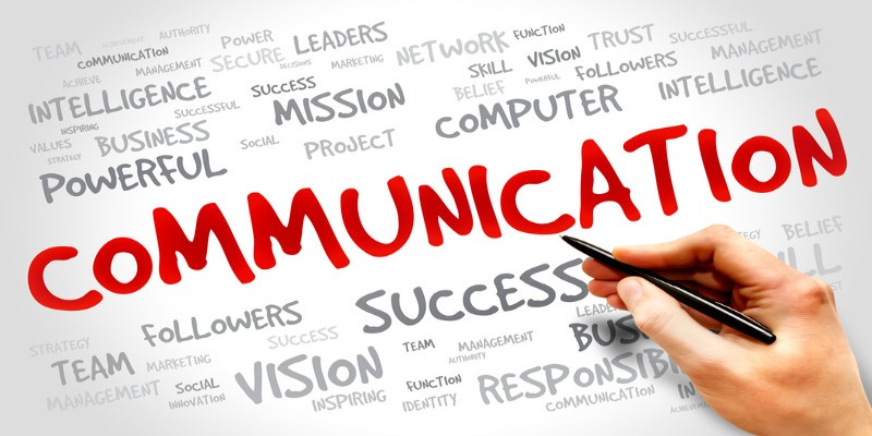
    Communication is one of the most important skills students can develop during their education. Whether they are participating in a classroom discussion, writing an assignment, giving a presentation, or preparing for a future job, students need to communicate ideas clearly and effectively.

    Academic knowledge provides an important foundation, but the ability to explain that knowledge can make a significant difference. Students who develop strong communication skills can participate more confidently in academic activities and become better prepared for professional environments.

    Communication is not limited to speaking. It includes writing, listening, reading, presenting information, understanding other people, and choosing the appropriate way to communicate in different situations.

    What Are Communication Skills?

    Communication skills refer to the abilities people use to exchange information, ideas, opinions, and feelings with others.

    In education and professional environments, communication can take many forms. Students may communicate through essays, emails, presentations, classroom discussions, group projects, interviews, and digital platforms.

    Effective communication involves more than using correct grammar or speaking confidently. It also requires organization, active listening, clarity, awareness of the audience, and the ability to respond appropriately.

    Communication in the Classroom

    Students communicate regularly in academic environments. They may ask questions, participate in discussions, explain answers, or work with classmates on group assignments.

    Being able to communicate clearly can make these activities more productive. A student who can explain a question or describe a problem accurately may receive more useful assistance from a teacher.

    Classroom discussions also provide opportunities to practice expressing ideas respectfully, even when other students have different opinions.

    The Importance of Academic Writing

    Writing is a major part of higher education. Students may be required to produce essays, research papers, reports, presentations, laboratory reports, and other academic documents.

    Good academic writing requires clear organization and logical development. Students need to introduce their ideas, provide relevant evidence, explain their reasoning, and reach a clear conclusion.

    Strong writing skills can also help students communicate complex information without making it unnecessarily difficult to understand.

    Developing Presentation Skills

    Presentations are another important form of academic communication. Students may need to explain a research project, present findings, or discuss a particular topic in front of their classmates.

    Presentation skills involve more than reading information from slides. Students need to organize their ideas, speak clearly, maintain an appropriate pace, and respond to questions.

    Regular presentation opportunities can help students become more comfortable communicating in front of others.

    Active Listening Matters

    Communication is a two-way process. Speaking clearly is important, but listening is equally valuable.

    Active listening means paying attention to what another person is saying, understanding the main point, and responding appropriately. In a classroom, active listening can help students understand instructions and follow discussions.

    In professional environments, it can help employees understand tasks, respond to clients, collaborate with colleagues, and avoid unnecessary misunderstandings.

    Communication and Group Projects

    Higher education often includes collaborative assignments. Students working in groups need to communicate about responsibilities, deadlines, ideas, and potential problems.

    Clear communication can help groups organize their work more effectively. Members can discuss expectations, divide tasks, and update one another about progress.

    It can also help prevent conflicts. When students explain concerns respectfully instead of ignoring problems, groups may be able to resolve difficulties before they affect the entire project.

    Building Confidence

    Communication skills can contribute to academic confidence. Students who become comfortable asking questions and expressing their ideas may be more willing to participate in learning activities.

    Confidence does not mean speaking the most or always having the perfect answer. It means being willing to communicate, accept feedback, and continue improving.

    Students can build confidence gradually by participating in smaller discussions before moving toward larger presentations or formal speaking situations.

    Communication in Job Interviews

    Communication becomes particularly important when students begin looking for employment.

    During an interview, candidates may need to explain their education, describe previous experiences, answer questions, and discuss how they approach different situations.

    Employers are not only interested in what candidates know. Depending on the role, they may also need to understand how candidates communicate and interact with others.

    Practicing common interview questions can help students organize their thoughts and express themselves more clearly.

    Communication in the Workplace

    After getting a job, communication remains important. Employees may need to write emails, attend meetings, prepare documents, speak with customers, or explain information to colleagues.

    Different situations require different communication styles. A message to a manager may need to be more formal than a quick conversation with a colleague. Similarly, technical information may need to be explained differently to someone without a technical background.

    Learning how to adapt communication to the audience is therefore a valuable professional skill.

    Digital Communication Skills

    Modern students also need to understand digital communication.

    Email, messaging platforms, video conferences, shared documents, and online collaboration systems are common in many academic and professional environments.

    Digital communication requires attention to tone, clarity, timing, and professionalism. Written messages can sometimes be misunderstood because they do not include facial expressions or voice tone.

    Students can develop better digital communication habits by writing clear messages, using appropriate language, checking important information, and considering how their words may be interpreted.

    Communication and Leadership

    Leadership often depends on effective communication. People in leadership positions need to explain goals, provide feedback, listen to concerns, and help teams understand their responsibilities.

    Students can begin developing leadership communication skills through group projects, student organizations, presentations, volunteer activities, and academic discussions.

    Leadership communication is not simply about giving instructions. It also involves listening, encouraging participation, and helping others understand a shared objective.

    Handling Disagreements

    Disagreements are a normal part of academic and professional life. Students may encounter different opinions during discussions or group projects.

    Strong communication skills can help them handle disagreements respectfully. Instead of immediately rejecting another person’s idea, students can ask questions, explain their reasoning, and consider available evidence.

    Learning to disagree professionally is useful because successful collaboration does not require everyone to have identical opinions.

    How Students Can Improve Communication Skills

    Communication improves through regular practice. Students can develop their skills in several practical ways.

    They can participate more actively in classroom discussions, practice presentations, write regularly, join academic or student organizations, and seek feedback from teachers and classmates.

    Reading can also help students develop vocabulary and understand how different types of writing are structured.

    Another useful approach is to review communication mistakes. If a presentation was difficult to follow or an email caused confusion, students can consider what could have been communicated more clearly.

    The Role of Education

    Schools and universities can create many opportunities for students to practice communication. Assignments, presentations, debates, group projects, research activities, and classroom discussions can all contribute to communication development.

    Teachers can also provide constructive feedback that helps students recognize both their strengths and areas for improvement.

    When communication is treated as an important part of education rather than a separate skill, students can develop it naturally alongside their academic knowledge.

    Conclusion

    Communication skills matter because students need to use their knowledge, not simply possess it. Clear writing, confident speaking, active listening, effective presentations, and respectful discussion can support success throughout education.

    These skills also become valuable when students enter professional environments, where communication is often part of everyday responsibilities.

    Students do not need to become perfect communicators immediately. With regular practice, feedback, and experience, they can gradually become more effective at expressing ideas and understanding others. Developing these abilities during higher education can provide a strong foundation for both academic progress and future career development.

  • How to Choose the Right College Program for Your Career Goals

    How to Choose the Right College Program for Your Career Goals

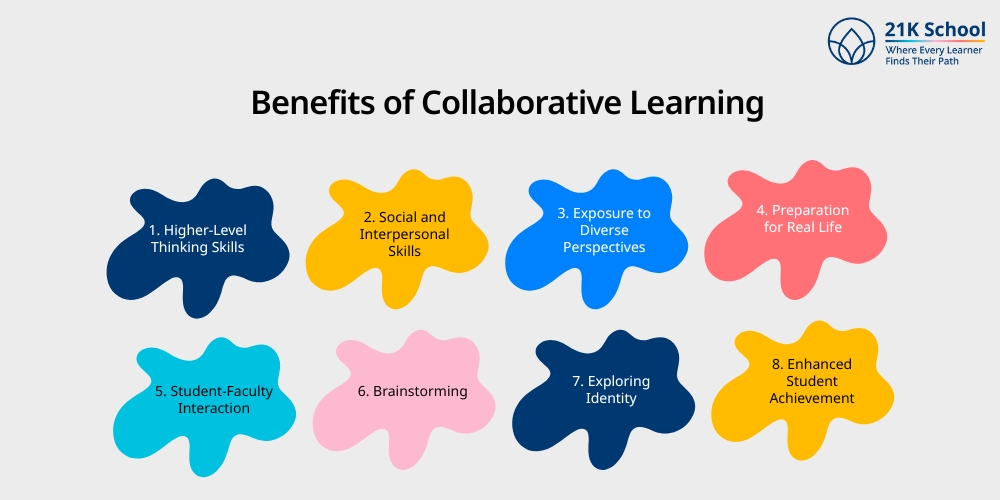
    Higher education is often associated with lectures, textbooks, individual assignments, and examinations. While these traditional methods remain valuable, students can also learn effectively by working with their classmates. Collaborative learning gives students opportunities to share ideas, solve problems together, discuss different perspectives, and take responsibility for group outcomes.

    In universities and colleges, collaboration can prepare students for both academic challenges and professional environments. Many careers require people to communicate with colleagues, contribute to projects, and work toward common goals. Developing these abilities during higher education can therefore provide value beyond the classroom.

    What Is Collaborative Learning?

    Collaborative learning is an educational approach in which students work together to understand concepts, complete tasks, or solve problems. Groups can consist of two students or several members, depending on the activity.

    Unlike simply dividing an assignment among group members, effective collaborative learning involves meaningful interaction. Students discuss ideas, explain concepts, ask questions, provide feedback, and contribute to the learning process.

    The teacher remains an important part of the process by setting clear objectives, organizing activities, and helping students stay focused on learning.

    Encourages Active Participation

    Collaborative learning can encourage students to become active participants rather than simply listening to information.

    When students work together, they may need to explain their reasoning, defend an idea, or respond to a classmate’s question. These activities require them to think about the material more carefully.

    For example, students studying history might work together to examine different interpretations of an event. Instead of simply memorizing dates and facts, they can discuss evidence and develop their own understanding of the subject.

    Develops Communication Skills

    Communication is central to successful collaboration. Students need to explain their ideas clearly, listen to others, ask useful questions, and respond respectfully when opinions differ.

    These skills are valuable in academic settings and professional environments. Group projects, presentations, discussions, and peer-review activities give students regular opportunities to practice communication.

    Over time, students may become more comfortable expressing their thoughts and communicating with people who have different perspectives.

    Provides Different Perspectives

    Students do not always approach a problem in the same way. Differences in experience, knowledge, interests, and reasoning can lead to different ideas.

    Collaborative learning allows students to encounter these perspectives directly. A classmate may identify an issue that another student overlooked or suggest an alternative solution to a problem.

    Exposure to different viewpoints can encourage students to reconsider assumptions and develop a broader understanding of complex subjects.

    Strengthens Problem-Solving Skills

    Many collaborative activities involve problems that require students to find solutions together.

    Instead of receiving a single answer from an instructor, students may need to identify the problem, gather information, compare possible solutions, and decide which approach makes the most sense.

    This process can strengthen analytical and problem-solving skills. It also teaches students that complex problems may have several possible approaches rather than one obvious answer.

    Supports Deeper Understanding

    Explaining information to another person can reveal whether a student truly understands the subject.

    When students teach a concept to a classmate, they must organize their thoughts and explain the material in a clear way. Questions from other students may also reveal gaps in their understanding.

    This makes collaborative learning useful for reinforcing knowledge. Students are not simply receiving information; they are actively processing and explaining it.

    Builds Teamwork Skills

    Teamwork is an important part of many modern workplaces. Employees may collaborate with colleagues on projects, communicate across departments, and work toward shared deadlines.

    Higher education provides a useful environment for students to develop these skills.

    Group assignments can teach students how to divide responsibilities, coordinate schedules, monitor progress, and support team members. Students can also learn that successful teamwork requires accountability from everyone involved.

    Encourages Responsibility

    Collaborative learning can increase students’ sense of responsibility for both their own work and the success of the group.

    When a project depends on contributions from several people, students need to complete their tasks on time and communicate when problems arise.

    This can help develop habits related to reliability, organization, and accountability.

    Improves Confidence

    Some students may feel uncomfortable speaking during large classroom discussions. Smaller collaborative groups can provide a more approachable environment for participation.

    As students contribute ideas and receive constructive responses from classmates, they may gradually become more confident about expressing their opinions.

    Confidence can be particularly important when students later participate in presentations, interviews, professional meetings, or workplace discussions.

    Encourages Peer Learning

    Students can sometimes explain a difficult concept to one another in language that feels easier to understand.

    Peer learning does not replace instruction from qualified teachers, but it can provide another layer of support. Students may compare notes, discuss examples, practice questions, or review each other’s work.

    Teaching and learning from peers can also strengthen relationships within a class and create a more supportive academic environment.

    Develops Leadership Skills

    Collaborative activities can provide opportunities for students to practice leadership.

    A student may coordinate a project, organize a meeting, divide responsibilities, or help resolve disagreements. Leadership does not always mean controlling the group. Effective leadership can also involve listening, encouraging participation, and helping others contribute.

    These experiences can help students understand different approaches to leading and working with teams.

    Technology and Collaborative Learning

    Digital technology has expanded the ways students can collaborate. Students can work together through shared documents, online discussion platforms, video meetings, project-management tools, and virtual learning environments.

    This can be especially useful for students who are studying online or working with classmates in different locations.

    However, technology should support meaningful collaboration rather than simply provide another communication channel. Students still need clear objectives, responsibilities, and opportunities to exchange ideas.

    Challenges of Group Learning

    Collaborative learning also has challenges. Group members may have different schedules, communication styles, or levels of commitment. Some students may contribute more than others, while disagreements can occasionally slow progress.

    Teachers can reduce these problems by setting clear expectations and defining responsibilities. Group members can also establish deadlines, communicate regularly, and agree on how tasks will be managed.

    Assessment methods can be designed carefully so that students are evaluated on both individual contributions and group outcomes when appropriate.

    Creating Effective Collaborative Activities

    Not every group assignment automatically produces meaningful learning. Activities should have a clear purpose and require students to interact rather than simply divide the workload.

    Effective activities might include case studies, research projects, debates, problem-solving exercises, peer reviews, presentations, and group investigations.

    Teachers can also encourage students to reflect on the collaboration itself. Asking what worked well, what caused difficulties, and what could be improved can turn the group experience into another learning opportunity.

    Preparing Students for Professional Life

    Collaborative learning can connect university education with workplace expectations.

    Professionals often need to work with people who have different skills and opinions. They must communicate clearly, manage responsibilities, resolve disagreements, and contribute to shared objectives.

    Students who practice these behaviors during higher education can gain experience that may help them understand the demands of professional teamwork.

    Conclusion

    Collaborative learning offers higher education students more than an alternative to individual study. It creates opportunities to communicate, exchange perspectives, solve problems, develop confidence, and practice teamwork.

    When designed effectively, group learning can also encourage responsibility, leadership, peer support, and deeper understanding of academic subjects.

    Collaboration should not replace individual learning or direct teaching. Instead, it can complement these approaches and create a more active educational experience. By learning with and from others, students can develop academic knowledge alongside interpersonal skills that remain valuable throughout their education and professional lives.

  • The Benefits of Collaborative Learning in Higher Education

    The Benefits of Collaborative Learning in Higher Education

    Higher education is often associated with lectures, textbooks, individual assignments, and examinations. While these traditional methods remain valuable, students can also learn effectively by working with their classmates. Collaborative learning gives students opportunities to share ideas, solve problems together, discuss different perspectives, and take responsibility for group outcomes.

    In universities and colleges, collaboration can prepare students for both academic challenges and professional environments. Many careers require people to communicate with colleagues, contribute to projects, and work toward common goals. Developing these abilities during higher education can therefore provide value beyond the classroom.

    What Is Collaborative Learning?

    Collaborative learning is an educational approach in which students work together to understand concepts, complete tasks, or solve problems. Groups can consist of two students or several members, depending on the activity.

    Unlike simply dividing an assignment among group members, effective collaborative learning involves meaningful interaction. Students discuss ideas, explain concepts, ask questions, provide feedback, and contribute to the learning process.

    The teacher remains an important part of the process by setting clear objectives, organizing activities, and helping students stay focused on learning.

    Encourages Active Participation

    Collaborative learning can encourage students to become active participants rather than simply listening to information.

    When students work together, they may need to explain their reasoning, defend an idea, or respond to a classmate’s question. These activities require them to think about the material more carefully.

    For example, students studying history might work together to examine different interpretations of an event. Instead of simply memorizing dates and facts, they can discuss evidence and develop their own understanding of the subject.

    Develops Communication Skills

    Communication is central to successful collaboration. Students need to explain their ideas clearly, listen to others, ask useful questions, and respond respectfully when opinions differ.

    These skills are valuable in academic settings and professional environments. Group projects, presentations, discussions, and peer-review activities give students regular opportunities to practice communication.

    Over time, students may become more comfortable expressing their thoughts and communicating with people who have different perspectives.

    Provides Different Perspectives

    Students do not always approach a problem in the same way. Differences in experience, knowledge, interests, and reasoning can lead to different ideas.

    Collaborative learning allows students to encounter these perspectives directly. A classmate may identify an issue that another student overlooked or suggest an alternative solution to a problem.

    Exposure to different viewpoints can encourage students to reconsider assumptions and develop a broader understanding of complex subjects.

    Strengthens Problem-Solving Skills

    Many collaborative activities involve problems that require students to find solutions together.

    Instead of receiving a single answer from an instructor, students may need to identify the problem, gather information, compare possible solutions, and decide which approach makes the most sense.

    This process can strengthen analytical and problem-solving skills. It also teaches students that complex problems may have several possible approaches rather than one obvious answer.

    Supports Deeper Understanding

    Explaining information to another person can reveal whether a student truly understands the subject.

    When students teach a concept to a classmate, they must organize their thoughts and explain the material in a clear way. Questions from other students may also reveal gaps in their understanding.

    This makes collaborative learning useful for reinforcing knowledge. Students are not simply receiving information; they are actively processing and explaining it.

    Builds Teamwork Skills

    Teamwork is an important part of many modern workplaces. Employees may collaborate with colleagues on projects, communicate across departments, and work toward shared deadlines.

    Higher education provides a useful environment for students to develop these skills.

    Group assignments can teach students how to divide responsibilities, coordinate schedules, monitor progress, and support team members. Students can also learn that successful teamwork requires accountability from everyone involved.

    Encourages Responsibility

    Collaborative learning can increase students’ sense of responsibility for both their own work and the success of the group.

    When a project depends on contributions from several people, students need to complete their tasks on time and communicate when problems arise.

    This can help develop habits related to reliability, organization, and accountability.

    Improves Confidence

    Some students may feel uncomfortable speaking during large classroom discussions. Smaller collaborative groups can provide a more approachable environment for participation.

    As students contribute ideas and receive constructive responses from classmates, they may gradually become more confident about expressing their opinions.

    Confidence can be particularly important when students later participate in presentations, interviews, professional meetings, or workplace discussions.

    Encourages Peer Learning

    Students can sometimes explain a difficult concept to one another in language that feels easier to understand.

    Peer learning does not replace instruction from qualified teachers, but it can provide another layer of support. Students may compare notes, discuss examples, practice questions, or review each other’s work.

    Teaching and learning from peers can also strengthen relationships within a class and create a more supportive academic environment.

    Develops Leadership Skills

    Collaborative activities can provide opportunities for students to practice leadership.

    A student may coordinate a project, organize a meeting, divide responsibilities, or help resolve disagreements. Leadership does not always mean controlling the group. Effective leadership can also involve listening, encouraging participation, and helping others contribute.

    These experiences can help students understand different approaches to leading and working with teams.

    Technology and Collaborative Learning

    Digital technology has expanded the ways students can collaborate. Students can work together through shared documents, online discussion platforms, video meetings, project-management tools, and virtual learning environments.

    This can be especially useful for students who are studying online or working with classmates in different locations.

    However, technology should support meaningful collaboration rather than simply provide another communication channel. Students still need clear objectives, responsibilities, and opportunities to exchange ideas.

    Challenges of Group Learning

    Collaborative learning also has challenges. Group members may have different schedules, communication styles, or levels of commitment. Some students may contribute more than others, while disagreements can occasionally slow progress.

    Teachers can reduce these problems by setting clear expectations and defining responsibilities. Group members can also establish deadlines, communicate regularly, and agree on how tasks will be managed.

    Assessment methods can be designed carefully so that students are evaluated on both individual contributions and group outcomes when appropriate.

    Creating Effective Collaborative Activities

    Not every group assignment automatically produces meaningful learning. Activities should have a clear purpose and require students to interact rather than simply divide the workload.

    Effective activities might include case studies, research projects, debates, problem-solving exercises, peer reviews, presentations, and group investigations.

    Teachers can also encourage students to reflect on the collaboration itself. Asking what worked well, what caused difficulties, and what could be improved can turn the group experience into another learning opportunity.

    Preparing Students for Professional Life

    Collaborative learning can connect university education with workplace expectations.

    Professionals often need to work with people who have different skills and opinions. They must communicate clearly, manage responsibilities, resolve disagreements, and contribute to shared objectives.

    Students who practice these behaviors during higher education can gain experience that may help them understand the demands of professional teamwork.

    Conclusion

    Collaborative learning offers higher education students more than an alternative to individual study. It creates opportunities to communicate, exchange perspectives, solve problems, develop confidence, and practice teamwork.

    When designed effectively, group learning can also encourage responsibility, leadership, peer support, and deeper understanding of academic subjects.

    Collaboration should not replace individual learning or direct teaching. Instead, it can complement these approaches and create a more active educational experience. By learning with and from others, students can develop academic knowledge alongside interpersonal skills that remain valuable throughout their education and professional lives.

  • How Educational Technology Supports Personalized Learning

    How Educational Technology Supports Personalized Learning

    Students do not all learn in exactly the same way. They have different interests, levels of prior knowledge, learning speeds, and academic needs. While traditional classrooms often require teachers to work with groups of students at the same time, educational technology can provide additional ways to make learning more flexible and personalized.

    Personalized learning does not mean creating a completely different lesson for every student. Instead, it involves using teaching approaches, resources, and technology that allow students to receive appropriate support and take greater responsibility for their learning. Digital tools can help teachers understand student progress while giving learners more opportunities to practice and explore subjects at their own pace.

    What Is Personalized Learning?

    Personalized learning is an educational approach that recognizes differences between individual students. Instead of assuming that everyone needs exactly the same instruction, it considers factors such as a student’s existing knowledge, learning progress, interests, and goals.

    For example, one student may understand a mathematical concept quickly while another may need additional examples and practice. A personalized learning environment can provide opportunities for both students to continue learning without unnecessarily holding one back or leaving the other behind.

    Technology can support this process by providing flexible resources and collecting information about learning activities.

    Digital Learning Platforms

    Online learning platforms are among the most common forms of educational technology. These platforms can provide students with lessons, videos, quizzes, reading materials, assignments, and other resources in one location.

    Students can often access these materials outside traditional classroom hours. If they find a particular topic difficult, they may be able to review the relevant lesson more than once. If they already understand a concept, they can move forward to more advanced material.

    This flexibility can make learning more adaptable to individual needs.

    Learning at an Individual Pace

    One of the major advantages of digital learning resources is that students can often control the pace of their study.

    In a traditional lecture, an instructor generally has to move through material according to a planned schedule. Some students may need more time to understand a topic, while others may be ready to move ahead.

    Recorded lectures, interactive lessons, digital textbooks, and online exercises allow students to revisit information when necessary. This can be particularly useful when learning subjects that involve several connected concepts.

    Adaptive Learning Tools

    Some educational technologies use student responses and performance data to adjust learning activities. These are commonly referred to as adaptive learning systems.

    For example, a digital platform may identify that a student is struggling with a particular type of problem and provide additional practice. Another student who demonstrates strong understanding may receive more challenging material.

    The purpose is to make practice more relevant to the student’s current level rather than providing exactly the same activity to everyone.

    Immediate Feedback

    Feedback is an important part of learning because students need to understand what they have done correctly and where improvement is needed.

    Digital quizzes and interactive exercises can sometimes provide immediate feedback. Instead of waiting until the next class to discover a mistake, students may receive an explanation shortly after completing an activity.

    This allows them to correct misunderstandings while the subject is still fresh in their minds.

    However, technology should complement teacher feedback rather than completely replace it. Complex assignments often require human judgment and detailed guidance.

    Supporting Different Learning Preferences

    Students may prefer different ways of engaging with information. Some understand concepts more easily through written explanations, while others benefit from diagrams, demonstrations, videos, simulations, or interactive activities.

    Educational technology can provide multiple formats for presenting the same subject.

    A science topic, for example, might be explained through a textbook chapter, an animated diagram, a recorded lecture, and an interactive simulation. Providing different resources can give students additional ways to approach difficult concepts.

    Using Data to Understand Student Progress

    Educational technology can also help teachers monitor learning progress.

    Digital platforms may provide information about completed assignments, quiz results, participation, and areas where students frequently make mistakes. Teachers can use this information to identify students who may need additional support.

    Data does not tell the complete story of a student’s learning experience, but it can provide useful signals. Teachers can combine digital information with classroom observations, conversations, assignments, and assessments to develop a clearer understanding of student needs.

    Encouraging Student Independence

    Personalized learning can give students greater responsibility for their education.

    Digital resources allow students to explore additional materials, review lessons independently, and practice topics outside scheduled class time. Students can also learn how to identify areas where they need improvement and choose resources that can help.

    This independence can be valuable beyond school or university because professional life often requires people to learn new information without constant supervision.

    Artificial Intelligence and Personalized Learning

    Artificial intelligence is becoming another area of educational technology that can support personalized learning. AI-powered tools can assist with tasks such as generating practice questions, explaining concepts in different ways, organizing information, and providing learning suggestions.

    For example, a student who does not understand a concept may ask an AI learning tool for a simpler explanation or another example.

    However, students should evaluate AI-generated information carefully. AI tools can make mistakes, and their responses should not automatically be treated as authoritative academic sources.

    Teachers also remain important because education involves more than delivering information. Guidance, context, discussion, encouragement, and human relationships are essential parts of learning.

    Improving Accessibility

    Technology can also make educational resources more accessible to students with different needs.

    Features such as adjustable text sizes, captions, screen readers, audio resources, digital note-taking, and recorded lessons can provide alternative ways to access information.

    Accessibility tools can benefit students who require specific accommodations and can also make learning resources more flexible for everyone.

    Challenges of Personalized Educational Technology

    Although technology offers many opportunities, it also presents challenges.

    Not every student has equal access to reliable devices, internet connections, or suitable study environments. Institutions need to consider these differences when introducing technology-based learning programs.

    Privacy is another important issue. Educational platforms may collect information about student activity and performance, making responsible data management essential.

    There is also a risk of relying too heavily on technology. Students still need direct interaction with teachers and classmates, opportunities for discussion, and activities that develop social and communication skills.

    The Teacher’s Role Remains Important

    Technology does not remove the need for effective teachers. Instead, it can provide teachers with additional tools for supporting students.

    Teachers can interpret learning information, provide personalized explanations, organize meaningful activities, and decide when a student needs additional assistance.

    The strongest approach often combines technology with human teaching. Digital tools can handle certain repetitive or flexible learning activities while teachers focus on guidance, relationships, critical thinking, and deeper learning.

    Building a Balanced Learning Environment

    Personalized learning works best when technology is used purposefully. Not every digital tool automatically improves education.

    Teachers and institutions should consider whether a particular technology actually helps students understand concepts, practice skills, collaborate, or receive useful feedback.

    A balanced learning environment may include classroom instruction, digital resources, individual practice, group activities, discussions, research, and hands-on experiences.

    The objective should be better learning rather than simply using more technology.

    Conclusion

    Educational technology can play an important role in supporting personalized learning. Digital platforms, adaptive tools, online resources, immediate feedback, accessibility features, and AI-powered applications can give students more flexibility in how and when they learn.

    At the same time, technology works best when combined with effective teaching. Students need guidance, meaningful interaction, critical thinking, and opportunities to learn from others.

    As educational technology continues to develop, personalized learning can become more flexible and responsive. The most valuable approach is not to replace traditional education with technology, but to use digital tools thoughtfully to help students receive the support and learning opportunities they need.

  • The Growing Importance of Career-Ready Education

    The Growing Importance of Career-Ready Education

    Education has always played an important role in helping students build knowledge and prepare for their future. However, modern students are increasingly expected to develop more than academic knowledge. Employers often look for people who can communicate effectively, solve problems, work with others, use technology, and adapt to changing workplace environments.

    This has increased interest in career-ready education. Rather than focusing only on exams and theoretical knowledge, career-ready education helps students connect what they learn in the classroom with the skills and experiences they may need after graduation.

    What Is Career-Ready Education?

    Career-ready education is an approach to learning that helps students prepare for professional life while they complete their academic studies. It combines subject knowledge with practical skills, workplace awareness, and opportunities to apply learning in realistic situations.

    Career preparation can take many forms. Internships, projects, career workshops, practical assignments, presentations, research activities, and collaboration with professionals can all contribute to a student’s readiness for employment.

    The goal is not simply to train students for one specific job. Instead, career-ready education can help students develop transferable abilities that remain useful as careers and industries change.

    Why Academic Knowledge Alone May Not Be Enough

    Academic knowledge provides an important foundation, but students may also need to know how to apply that knowledge.

    For example, a student studying business may understand marketing theories but still need experience creating a campaign, analyzing customer information, presenting ideas, or working with a team. Similarly, a computer science student may understand programming concepts but benefit from working on projects that involve real-world requirements and collaboration.

    Connecting theory with practical application can make education more meaningful. It also gives students opportunities to discover how their academic subjects relate to professional responsibilities.

    Developing Communication Skills

    Communication is an important part of almost every professional environment. Employees may need to write emails, prepare reports, participate in meetings, explain ideas, or give presentations.

    Career-ready education can provide students with opportunities to practice these skills before entering the workforce.

    Group presentations, classroom discussions, research projects, written assignments, and collaborative activities can all help students become more comfortable communicating with different audiences.

    Strong communication does not necessarily mean using complicated language. It often means being clear, organized, respectful, and able to adapt a message to the situation.

    Building Problem-Solving Abilities

    Workplaces regularly present employees with problems that do not have simple answers. Career-ready education can help students become more comfortable analyzing situations and developing possible solutions.

    Project-based learning is one way to encourage this type of thinking. Students may be given a practical challenge and asked to research the issue, evaluate different approaches, and present a solution.

    Such activities can encourage students to move beyond memorizing information. They learn how to use information to make decisions and address unfamiliar situations.

    The Role of Digital Skills

    Technology has become part of many professional environments. Students may encounter digital communication platforms, cloud-based collaboration tools, data systems, specialized software, and artificial intelligence applications in their future careers.

    Career-ready education can help students become comfortable using technology responsibly and efficiently.

    Digital skills also require more than knowing how to operate software. Students need to understand issues such as online communication, data protection, cybersecurity awareness, information evaluation, and responsible use of digital tools.

    Learning Through Practical Experience

    Practical experience can help students understand what professional life may actually involve.

    Internships, work placements, volunteering, research projects, and industry-related assignments can expose students to professional expectations. They may learn how teams operate, how deadlines are managed, and how theoretical knowledge is applied to real tasks.

    Even when formal internships are not available, universities can create practical experiences through simulations, case studies, collaborative projects, and partnerships with organizations.

    These experiences can help students identify their interests and better understand possible career paths.

    Collaboration and Teamwork

    Many professional tasks involve collaboration. Employees may work with colleagues from different departments, backgrounds, and areas of expertise.

    Students can develop teamwork skills through group assignments and project-based activities. These experiences can teach them how to divide responsibilities, communicate progress, manage disagreements, and work toward a shared objective.

    Teamwork also helps students recognize that successful collaboration requires listening as well as speaking. Understanding different perspectives can lead to better decisions and stronger outcomes.

    Career Guidance and Mentorship

    Career-ready education can become more effective when students have access to career guidance and professional mentorship.

    Career advisers can help students understand different career options, identify relevant skills, prepare application materials, and plan their next steps after graduation.

    Mentors can provide another valuable perspective. Professionals can share experiences about their industries, explain workplace expectations, and discuss how they developed their careers.

    Students do not have to follow every piece of advice they receive, but exposure to different professional experiences can help them make more informed decisions about their own goals.

    Developing Adaptability

    The workplace can change significantly over time. New technologies, changing customer expectations, economic conditions, and evolving industries can create new opportunities while changing existing roles.

    For this reason, students need to develop the ability to learn and adapt.

    Career-ready education should therefore encourage curiosity and continuous learning. Students who become comfortable learning new tools, exploring unfamiliar subjects, and responding to change may be better prepared to manage transitions throughout their professional lives.

    The Importance of Professional Confidence

    Career preparation can also help students become more confident when entering professional environments.

    A student who has completed projects, participated in presentations, worked with teams, or completed an internship may have a clearer understanding of workplace expectations.

    This does not mean students need to know everything before graduation. Professional confidence can also come from understanding how to learn, ask questions, accept feedback, and improve.

    Preparing Students for Different Career Paths

    Not every student will follow a traditional career path. Some may join established organizations, while others may start businesses, work independently, continue their education, or move between different industries.

    Career-ready education should therefore remain flexible.

    Transferable skills such as communication, research, problem-solving, organization, collaboration, and digital literacy can support many different professional directions. Students can then build specialized knowledge according to the field they choose.

    The Role of Universities

    Universities have an important role in connecting academic learning with professional development. This does not mean that every course must become vocational training. Academic subjects continue to provide valuable knowledge, critical thinking, and intellectual development.

    However, institutions can create stronger connections between education and employment by offering career services, internships, practical projects, employer events, professional workshops, and opportunities for students to interact with industry professionals.

    Faculty members can also help students understand how concepts taught in their courses relate to real-world situations.

    Students Also Have a Role

    Career preparation is not only the responsibility of universities. Students can actively build their own professional skills during their education.

    They can participate in clubs, volunteer activities, competitions, research projects, internships, and extracurricular programs. They can also develop portfolios that demonstrate their work and gradually build professional networks.

    Taking responsibility for personal development can help students make better use of their time at university.

    Conclusion

    The growing importance of career-ready education reflects the changing relationship between learning and professional life. Academic knowledge remains essential, but students can benefit from opportunities to develop practical skills, communication abilities, digital literacy, teamwork, problem-solving, and adaptability.

    Universities can support this process by connecting students with practical experiences, career guidance, mentors, and professional environments. Students, meanwhile, can take an active role by exploring opportunities and developing skills beyond their regular coursework.

    Ultimately, career-ready education is about preparing students not only to complete their studies but also to continue learning, adapting, and contributing effectively throughout their professional lives.