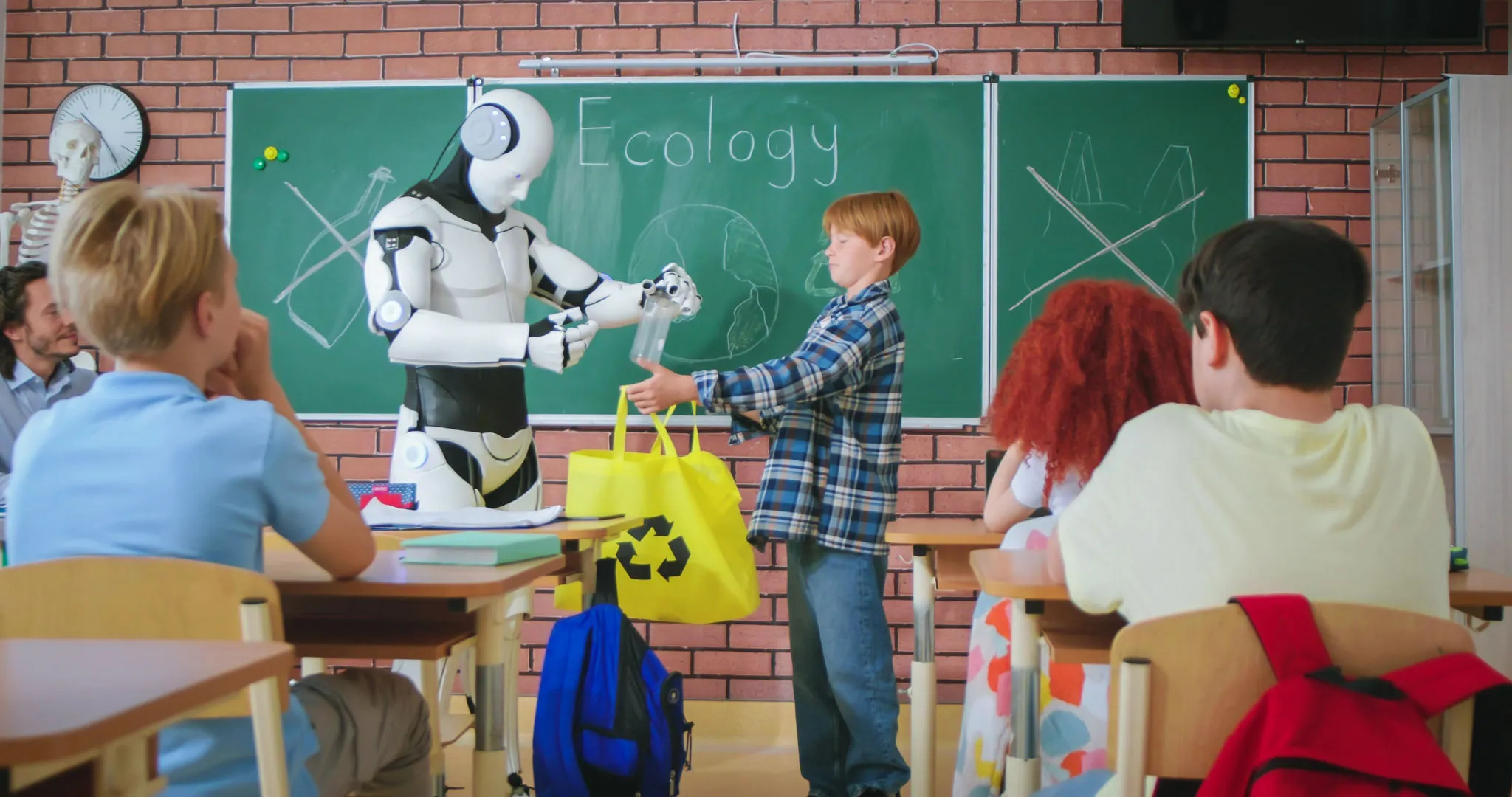
Education has always played an important role in personal and professional development. However, the way people learn is changing quickly. Students today have access to more learning resources, digital tools, online courses, educational communities, and career opportunities than previous generations. At the same time, choosing the right educational path can sometimes feel complicated.
Whether someone is preparing for school, university, professional training, or a new career, education can provide the knowledge and skills needed to move forward. This website explores different aspects of education and aims to provide useful information for students, parents, educators, professionals, and lifelong learners.
Why Education Matters
Education is not limited to classrooms, textbooks, or examinations. It can help people develop critical thinking, communication, problem-solving, creativity, and practical skills.
A good education can also help students understand their interests and make informed decisions about their future. For some people, this may mean attending a university. For others, vocational training, online learning, professional certifications, or practical experience may be more suitable.
Because every learner has different goals, there is no single educational path that works for everyone.
Choosing the Right Study Program
Selecting a course or degree is an important decision. Students often consider subjects they enjoy, potential career opportunities, tuition costs, location, and the reputation of an institution.
Before applying to a program, students should look beyond the course title. They can review the subjects included in the curriculum, teaching methods, practical opportunities, available facilities, and potential career paths.
It is also useful to consider whether the program matches the student’s long-term goals. Someone interested in technology may look at computer science or information technology, while another student may prefer business, healthcare, education, engineering, design, or the social sciences.
Taking time to research different options can make the decision more manageable.
The Growth of Online Education
Technology has changed the way people access education. Online learning allows students to study from home and often provides greater flexibility than traditional classroom-based programs.
Online courses can cover almost every subject, from academic disciplines to professional and creative skills. Students can use recorded lectures, digital textbooks, interactive exercises, discussion forums, and virtual classrooms as part of their learning experience.
However, online education also requires self-discipline. Without a traditional classroom schedule, students may need to manage their own time carefully and create a consistent study routine.
The quality of online courses can also vary, so learners should research the institution, instructors, curriculum, accreditation where relevant, and student reviews before enrolling.
International Education
Studying abroad is another important area of modern education. Every year, students consider universities and colleges in countries outside their home country.
International education can provide more than an academic qualification. Students may experience different cultures, meet people from different backgrounds, improve their language skills, and develop greater independence.
However, studying abroad requires careful planning. Students should research admission requirements, tuition fees, accommodation, visa rules, insurance, transportation, and living expenses before making a decision.
The best destination depends on the student’s academic goals, budget, preferred lifestyle, and long-term plans.
Developing Skills Outside the Classroom
Academic qualifications are valuable, but practical skills are also important. Students can improve their abilities through internships, volunteering, projects, workshops, competitions, part-time activities where permitted, and personal projects.
Communication and teamwork are particularly useful in many professional environments. Digital skills are also becoming increasingly relevant across different industries.
Students should therefore look for opportunities to apply what they learn rather than focusing only on grades. Practical experience can help connect academic knowledge with real-world situations.
The Role of Teachers and Educators
Teachers have an important role in the learning process. A teacher does more than deliver information. Effective educators can encourage curiosity, explain difficult concepts, provide feedback, and help students become more confident learners.
Education is also changing for teachers. Digital platforms, interactive resources, artificial intelligence tools, and online communication have created new possibilities for teaching.
At the same time, technology does not remove the importance of human guidance. Students often need encouragement, explanation, feedback, and personal support that goes beyond what a digital tool can provide.
Education and Career Development
Education and career planning are closely connected, but a degree does not automatically determine someone’s entire professional future.
Many people change careers, learn new skills, or continue their education after entering the workforce. Professional development can therefore continue throughout a person’s life.
Certifications, short courses, workshops, postgraduate study, and independent learning can help professionals update their knowledge as industries change.
For students, thinking about potential careers can be useful when choosing subjects and developing relevant skills. However, career paths can evolve, so flexibility is also important.
Supporting Lifelong Learning
Learning does not have to stop after graduation. Lifelong learning allows people to continue developing their knowledge at different stages of life.
Someone might learn a new language, study business, develop programming skills, explore photography, improve writing abilities, or take a professional course many years after finishing formal education.
The internet has made lifelong learning more accessible than ever. Libraries, universities, educational platforms, professional organizations, and online communities can all provide learning resources.
The important thing is to choose reliable information and remain curious.
Creating Better Study Habits
Good study habits can make learning more effective. Students can begin by creating a realistic schedule and setting specific goals.
Breaking large assignments into smaller tasks can make them less overwhelming. Taking regular breaks can also help maintain concentration during long study sessions.
Different students learn in different ways. Some prefer reading, while others learn better through videos, discussions, practical exercises, or written notes. Experimenting with different approaches can help students discover what works best for them.
A suitable study environment also matters. A quiet and organized space can make it easier to concentrate and complete assignments.
The Future of Education
Education will continue to evolve as technology and society change. Artificial intelligence, online learning platforms, virtual classrooms, digital resources, and new approaches to teaching are likely to influence how students learn.
At the same time, fundamental educational skills will remain important. Critical thinking, communication, creativity, research, collaboration, and the ability to learn independently will continue to have value.
The future of education may not be about replacing traditional learning with technology. Instead, it may involve combining useful technology with effective teaching and meaningful human interaction.
Final Thoughts
Education provides people with opportunities to learn, develop skills, explore interests, and prepare for different stages of life. Whether someone is a school student, university applicant, international student, teacher, working professional, or lifelong learner, there are many ways to continue developing knowledge.
This website aims to explore those opportunities through practical and informative articles covering education, studying, learning strategies, universities, online education, career development, student life, and related topics.
As the education landscape continues to change, staying inf
Leave a Reply