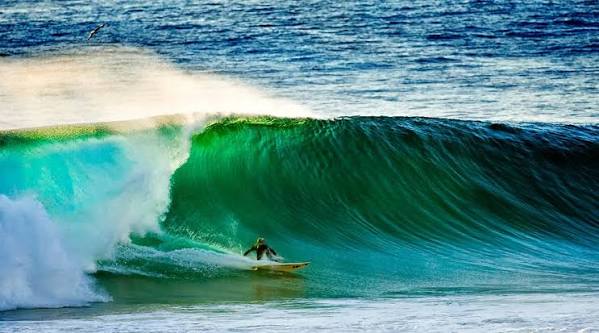
Black’s Beach in La Jolla, California, is known for its dramatic cliffs, sandy shoreline, and powerful Pacific Ocean waves. Beyond its scenic beauty, the surrounding coast supports a variety of wildlife, including shorebirds, marine invertebrates, and ocean species that depend on healthy coastal habitats. Protecting Black’s Beach wildlife is an important responsibility for visitors, surfers, photographers, and local residents who want to preserve this unique environment for future generations.
Small actions can make a meaningful difference. By reducing litter, observing animals from a distance, respecting coastal habitats, and following local regulations, every visitor can help protect the natural beauty of Black’s Beach.
Why Coastal Wildlife Protection Matters
Coastal ecosystems connect the beach, cliffs, ocean, and nearby marine habitats. Shorebirds use sandy and rocky areas to find food, while marine invertebrates live in tide pools and other intertidal environments. Offshore waters support fish and other marine life.
The California Department of Fish and Wildlife describes the nearby San Diego-Scripps coastal region as an important habitat for shorebirds, tide-pool organisms, fish, and other marine species. These examples illustrate the ecological value of the wider La Jolla coastline. <Cite refs={[“turn550058search1”]}/>
Pollution, habitat disturbance, and careless recreation can damage these environments. Protecting coastal wildlife helps maintain biodiversity and keeps the shoreline healthier for people and animals alike.
1. Keep the Beach Clean and Litter-Free
Plastic wrappers, food packaging, fishing line, and other rubbish can injure wildlife or be mistaken for food. Waste may also wash into the ocean, where it can harm marine animals and contribute to long-lasting pollution.
Follow these simple practices when visiting Black’s Beach:
- Carry a reusable water bottle and reusable bags.
- Pack a small bag for collecting your own rubbish.
- Take all food scraps and packaging with you when leaving.
- Never leave fishing line, plastic, or other debris on the sand.
- Join organized beach cleanups when available.
Even biodegradable food scraps should not be left behind. They can attract animals to human food and alter their natural feeding behavior.
2. Observe Wildlife Without Disturbing It
Seeing a shorebird or marine animal in its natural habitat can be a memorable experience. However, getting too close can cause stress, interrupt feeding, or force an animal to abandon a resting place.
Use binoculars or a camera with a zoom lens instead of approaching wildlife for a closer photograph. Never chase birds, surround animals, or encourage children to touch them.
If an animal changes its behavior because of your presence, move farther away. Give wildlife a clear path to the water and avoid blocking routes between resting and feeding areas.
Responsible wildlife watching allows visitors to enjoy nature while giving animals the space they need to survive.
3. Protect Tide Pools and Marine Life
Rocky tide pools along the wider La Jolla coast contain small organisms such as snails, crabs, barnacles, and sea anemones. These animals are adapted to particular conditions and can be harmed by handling, trampling, or removal.
When exploring intertidal areas, step carefully on bare, stable surfaces where permitted, and avoid stepping on organisms or delicate seaweed. Do not collect shells containing living animals, remove marine life, or turn over rocks unnecessarily.
Some nearby tide pools are within designated marine protected areas, where collecting living marine resources is prohibited. Check the boundaries and applicable rules before exploring. <Cite refs={[“turn550058search9″,”turn550058search1”]}/>
4. Respect Coastal Cliffs and Natural Habitats
The steep bluffs above Black’s Beach are an important part of its natural landscape, but they are unstable and can experience sudden slides. The City of San Diego warns visitors to stay well away from the cliff base. <Cite refs={[“turn550058search0”]}/>
For your safety and the protection of the coastal environment:
- Stay on authorized, open access routes.
- Never create shortcuts through vegetation or unstable ground.
- Avoid disturbing plants or digging into the sand dunes and bluff edges.
- Keep beach activities away from sensitive areas identified by signs or barriers.
Following designated routes reduces the risk of accidents and limits unnecessary damage to coastal habitats.
5. Follow Wildlife-Friendly Rules for Pets and Recreation
Dogs and other pets can frighten birds, disturb resting wildlife, and damage sensitive areas. Black’s Beach has specific restrictions, including a prohibition on dogs, so check the current rules before bringing a pet. <Cite refs={[“turn550058search0”]}/>
Surfers, swimmers, and beach walkers can also help by avoiding wildlife gathering areas and disposing of any equipment or rubbish responsibly. Never feed wild animals, because human food can change their behavior and create unhealthy dependence.
6. Support Local Conservation Efforts
Protecting Black’s Beach wildlife requires cooperation between visitors, local organizations, and public agencies. You can contribute by joining a reputable coastal cleanup, sharing responsible recreation advice, or reporting injured wildlife and hazardous pollution to the appropriate local authority.
If you encounter a marine mammal or bird that appears injured, do not attempt to handle or move it. Keep your distance and contact qualified wildlife responders or local authorities for guidance.
You can also learn more about coastal conservation through the and follow local beach management updates before visiting.
Frequently Asked Questions
What wildlife can visitors see near Black’s Beach?
Wildlife along the wider La Jolla coast may include shorebirds, crabs, snails, fish, and other marine organisms. The species visible on a particular day depend on the season, tides, and local conditions.
How can visitors protect wildlife at Black’s Beach?
Take rubbish home, keep a respectful distance from animals, avoid disturbing tide pools, follow posted rules, and stay on authorized access routes.
Is it safe to touch marine animals in tide pools?
It is best to observe without touching. Handling can injure sensitive organisms, and collecting marine life may be prohibited in protected areas.
Conclusion
Protecting Black’s Beach wildlife starts with responsible choices. Keeping the shoreline clean, respecting animals, avoiding sensitive habitats, and following local regulations can help preserve the ecological value of this remarkable stretch of the La Jolla coast.
Whether you are visiting for surfing, photography, or a peaceful walk, leave the beach as you found it—and give its wildlife the space and protection it deserves.
Leave a Reply